
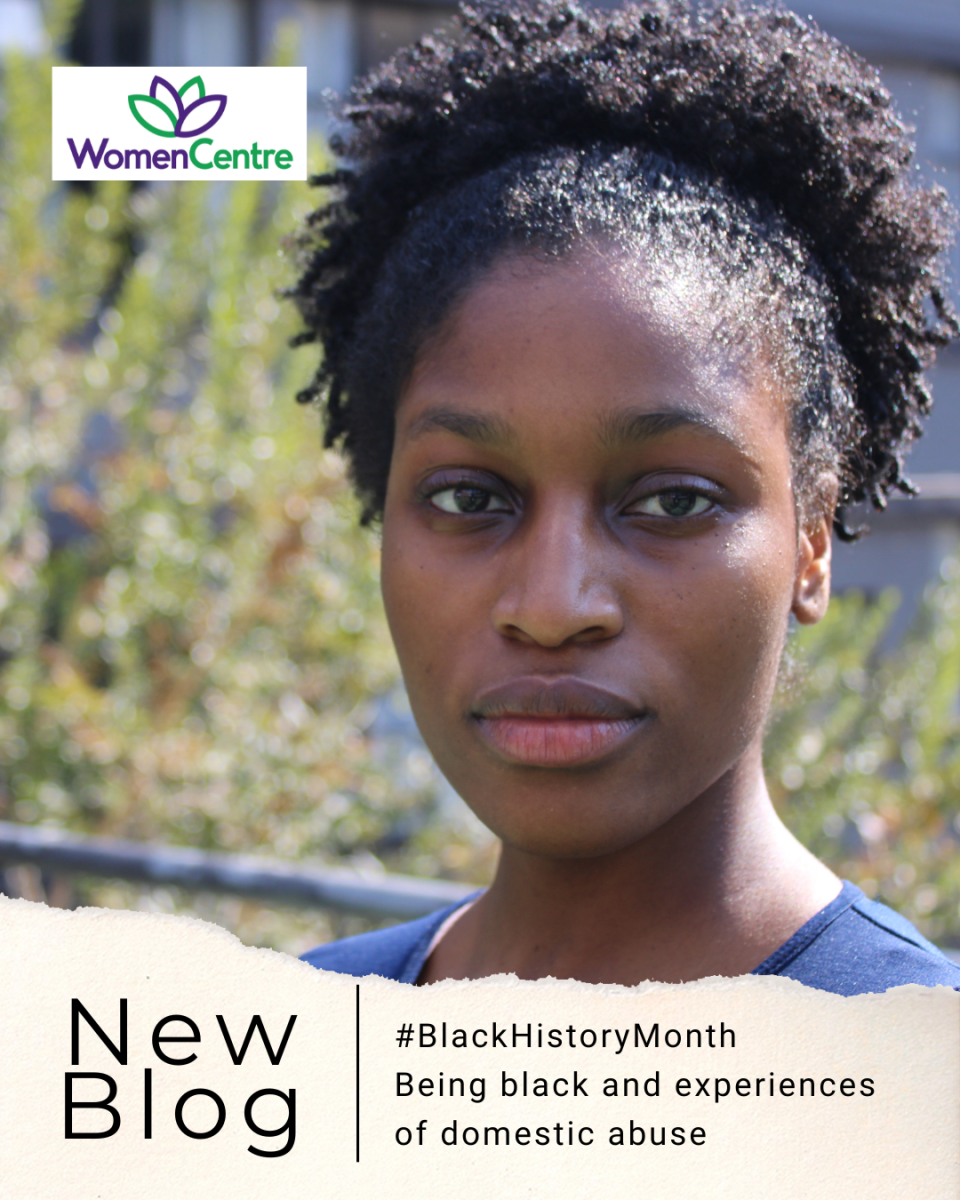
Black History Month: Exploring the Link Between Being Black and Experiences of Domestic Abuse
When Race and Abuse Intersect: Why We Need to Talk About Being Black and a Survivor
Domestic abuse can happen to anyone — but for Black women and other women of colour, there are extra layers that too often go unseen.
This Black History Month, we’re shining a light on those experiences. Because understanding how racism, inequality, and trauma overlap is the only way we can build services that are safer, more inclusive, and truly supportive for everyone.
Why Some Don’t Reach Out for Help
Research and lived experience tell us that Black women are less likely to report domestic abuse or access support services — not because abuse happens less often, but because of deeper systemic and cultural barriers.
Things like:
-
Not being believed by police or services
-
Fear of racism, profiling, or being blamed
-
Pressure to “keep it in the family”
-
Immigration worries or fear of deportation, or language barriers
-
Not wanting to feed into negative stereotypes about Black families or communities.
For many, staying silent can feel safer than speaking out.
Racism in the System
Even when Black women do reach out, the system doesn’t always meet them with care.
Black survivors often face inequities in how they are treated by support services, the police, and healthcare systems.
Some common experiences include:
-
Being misidentified as the perpetrator or less likely to be referred to specialist domestic abuse support
-
Mental or Physical Health concerns being ignored or dismissed
-
Support that isn’t culturally sensitive or relatable
-
A lack of Black professionals or safe spaces to turn to
All of this can lead to survivors feeling isolated, retraumatised, or completely overlooked.
The “Strong Black Woman” Trap
While often seen as empowering, the stereotype of the “strong Black woman” can be deeply damaging when it comes to abuse.
Being strong isn’t the problem — it’s the expectation to always be strong that hurts.
This stereotype can:
-
Make it harder for Balck women to express vulnerability and ask for help
-
Lead professionals to assume you’re “fine” or that help isn’t needed
-
Create pressure to cope alone, or not speak out
But strength doesn’t mean silence. Survivors shouldn’t have to carry it all alone.
It’s Not “Just” Abuse
Race, gender, class, immigration status — they all shape how abuse is experienced, and how easy (or not) it is to get help.
This is called intersectionality — for Black survivors of abuse, this means facing multiple and overlapping forms of harm such as:
- Gender-based violence
- Racial discrimination
- Economic inequality
- Barriers in education, housing, and healthcare
This matters because one-size-fits-all services don’t work when not everyone is treated the same to begin with.
We need support that:
-
Understands your lived experience
-
Challenges racism and bias
-
Centres your safety, culture, and identity
What Needs to Change?
We believe:
-
Every survivor deserves to be heard, believed, and supported, without fear or judgement
-
Services must be anti-racist, trauma-informed, and culturally aware
-
Black women’s voices and leadership should shape how services are built
Where You Can Get Support
Here are some specialist services by and for Black and minoritised women:
-
Imkaan –A Black feminist organisation dedicated to addressing violence against Black and minoritised women and girls. www.imkaan.org.uk
-
Southall Black Sisters –Providing specialist support for Black and Asian women facing violence and abuse. www.southallblacksisters.org.uk
-
Sistah Space –Supporting African and Caribbean heritage women affected by domestic and sexual abuse www.sistahspace.org
And for more local domestic abuse support:
-
Calderdale Staying Safe – That’s us! Our WomenCentre domestic abuse service. We offer safe, inclusive support for all women in Calderdale.
- Pennine Domestic Abuse Partnership – for Domestic Abuse Support in Kirklees.Welcome to Pennine Domestic Abuse Partnership – Pdap
This Black History Month — and beyond
We honour the strength and survival of Black women.
We commit to building services that don’t just include you — they centre you.
Because surviving abuse shouldn’t mean surviving racism too.
You deserve safety. You deserve support. You deserve to be seen.