Connecting Legacies
Our new community history project -Present day mothers apart from their children exploring the lives of mothers in the 1800s through archived letters.
Project Partners:
Mothers Apart: Common Threads Collective, WomenCentre Kirklees.
Dr Lisa Morriss, Centre for Child and Family Justice Research, Lancaster University.
The Foundling Museum, London.
Kirsty Taylor, Educator, poet, writer. Bradford.
Context
As mothers who live apart from our children, records often exist of the worst moments of our lives in our children’s files with the local authority. The problems we would like to tell our children about in our own way (or perhaps not at all) have been written by professionals we knew only for a short time. Our children will be able to read their files when they reach 18. They are a snapshot of who we were at one time, not our whole story. As a collective, our work helps us create new positive legacies. We use our personal experiences, our learning and skills to create change and make people think.
History tends to record the lives of the wealthy and ‘important’. Ordinary people’s lives are recorded when they come into contact with authorities. Our births, deaths and marriages are recorded. If we have children, buy property or commit a crime that is recorded too.
The Museum
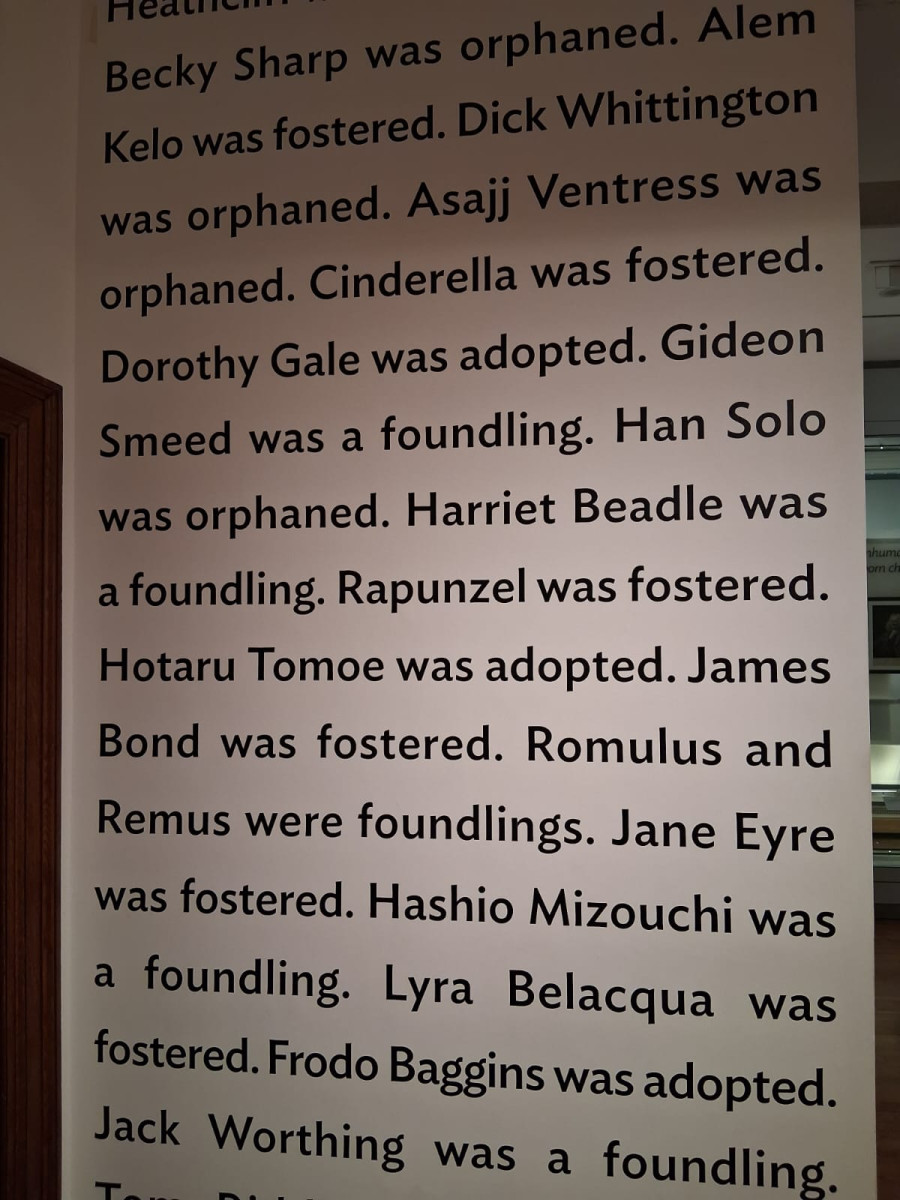
The Foundling Museum tells the story of the Foundling Hospital in London, the first children’s charity, established in 1739. The hospital was in fact a residential institution created to raise children in times of huge poverty and high infant deaths. Back then, unmarried mothers were seen as ‘fallen women’. No matter the circumstances of their pregnancies, they were stigmatised, often banished by their families and unable to support their children. They applied to the hospital for their children to be accepted to have a ‘better life’ than they were able to offer the, with enough food, an education and support into work. This also allowed the mothers to work again and return to life with less shame. From our own experiences we know it isn’t as simple as that. We think this is brutal but also complicated and have spent time trying to understand what life was really like for mothers and their children then.
The project
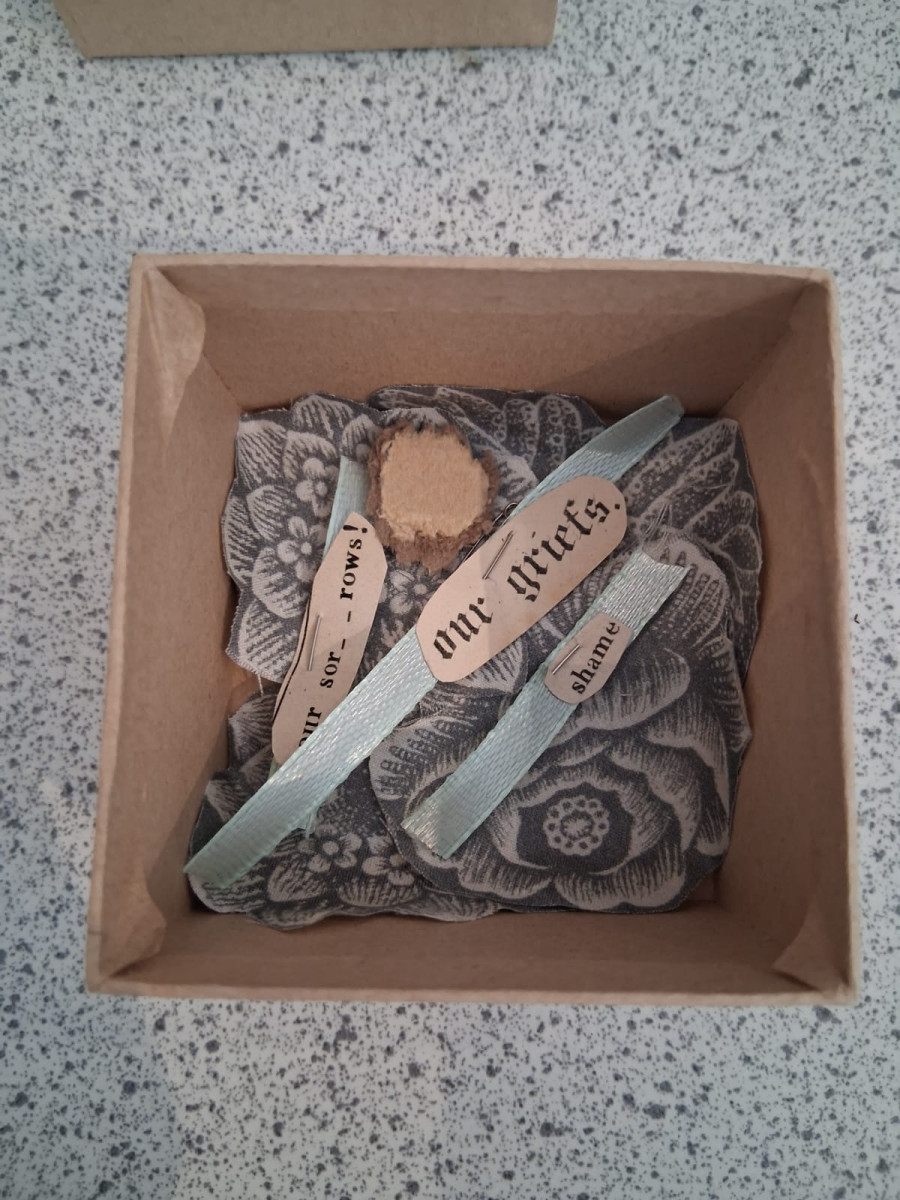
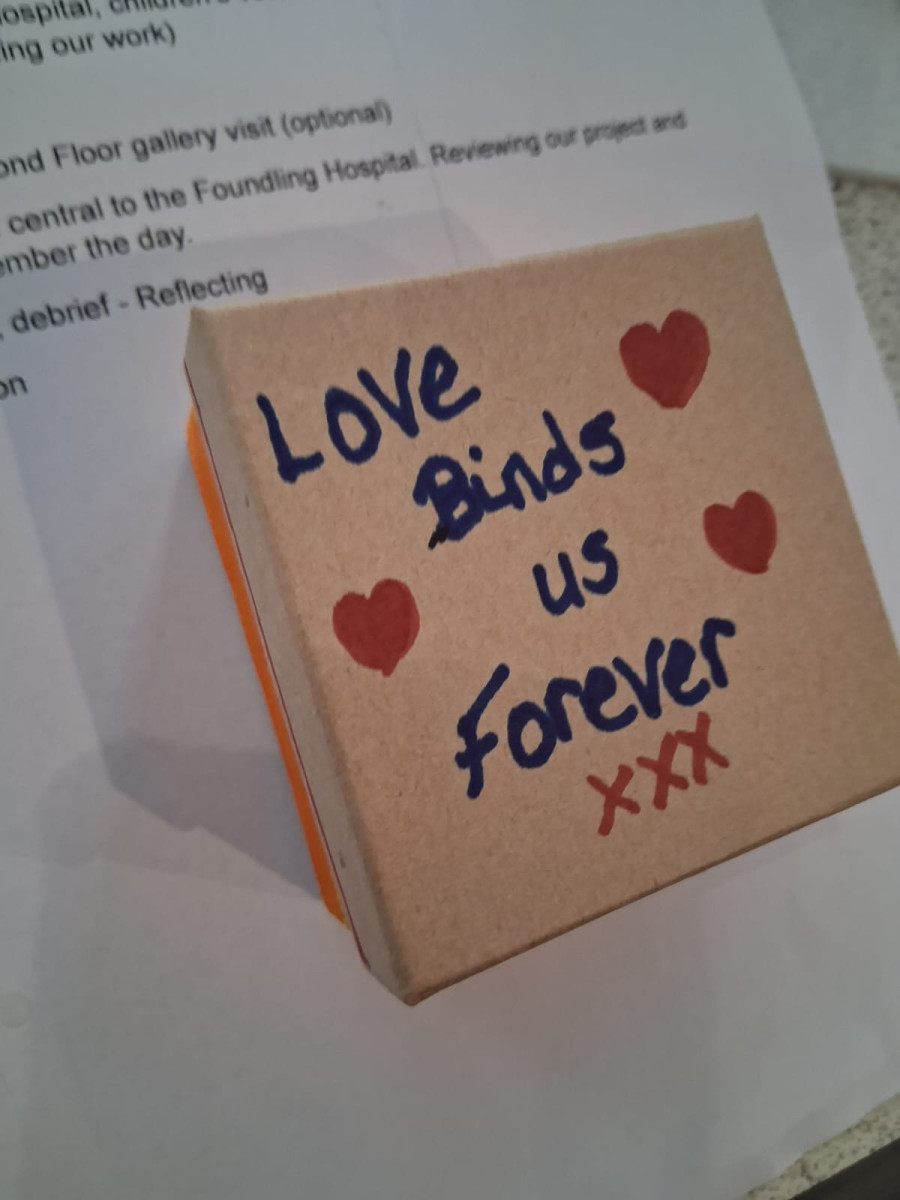
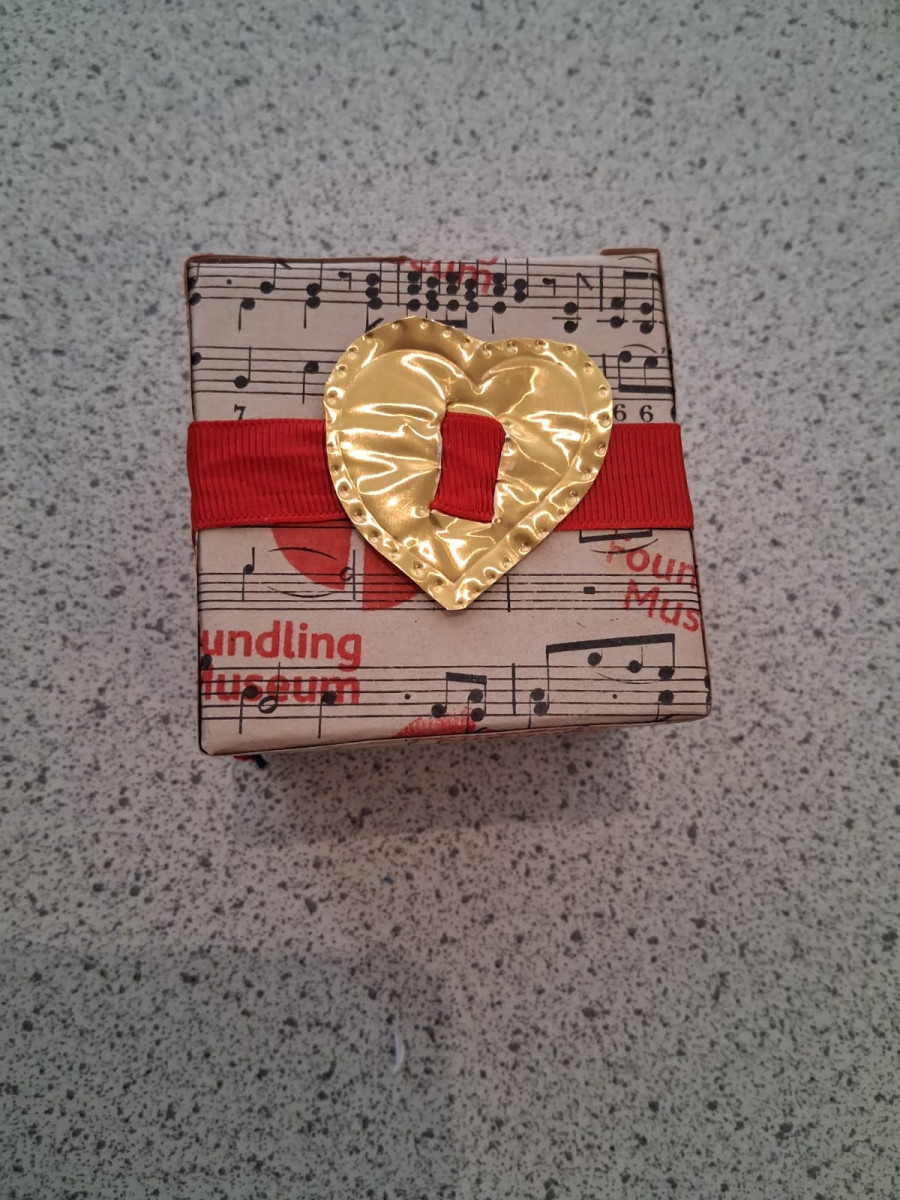
We know very little about these women but have been reading some of their letters written in the 1850s, 60s and 70s sent to the then secretary of the Foundling Hospital, John Brownlow, to enquire after their children who were being cared for there. Their letters tell stories of their own. These letters are their legacy. We doubt they thought their letters would be being read over 150 years later by women who are also unable to live with their children. Kirsty Taylor is helping us to use our experiences of separation from our children to respond to these mothers’ letters, explore the times they were written in and consider what has changed and what has stayed the same.
To find out more about this project, please contact Siobhan Beckwith at siobhan.beckwith@womencentre.org.uk