April is Stress Awareness Month: Let’s take a look at a Trauma-Informed Approach to Women’s Mental Health
Stress affects many people, but for many women, it’s not just the daily pressures of life that create overwhelming feelings—it’s also the cumulative impact of trauma. As we observe Stress Awareness Month this April, we want to acknowledge how various stressors, including the effects of trauma, can deeply affect a woman’s mental, emotional, and physical health.
What is Stress?
We’ve all heard about stress, and it’s a term that gets used a lot in day to day life. But have you ever taken a second to really think about what stress actually is, and why we experience it?
Stress is the body’s natural response to demands, pressures, threats or challenges. It is an evolutionary adaptation which serves as a survival mechanism, preparing the body to react quickly to perceived threats or challenges, often triggering the “fight-or-flight” response.
In our modern day lives, stress can be brought on by anything from a busy day at work, to significant life changes.
Stress itself can be classified as acute (short-term) or chronic (long-term). When stress is experienced in manageable doses, it can act as a motivator or a way to stay alert. However, when it becomes chronic or overwhelming, stress can have a harmful impact on well-being.
For some women, stress levels are affected by hormonal fluctuations, societal pressures, and the balancing act of roles at work and home can make it feel like there’s never a break.
But beyond these day-to-day stresses, there can also be another layer: trauma. Trauma can profoundly affect a woman’s ability to cope with stress, creating unique and complex challenges.
What Triggers Stress?
Stress triggers are as varied as women themselves, and while daily life demands can certainly cause stress, for many women, past experiences with trauma can contribute to heightened levels of stress or anxiety. Below are some common stressors women may experience…
Day-to-Day Pressures: Balancing Work and Home Life
The demands of family, work, and social obligations can lead to a constant feeling of juggling too many responsibilities. This pressure to “do it all” can trigger stress, often exacerbated by the unrealistic standards society places on women to be perfect caregivers, employees, and partners.
Health Issues and Physical Stressors
Managing health problems, chronic illness, or even the hormonal changes that come with pregnancy, menopause, or menstruation can be incredibly stressful. Women’s health is uniquely affected by biological processes that can trigger or worsen stress.
Domestic Abuse and Intimate Partner Violence
For many women, past or current experiences of domestic abuse and intimate partner violence (IPV) can be significant sources of stress. Trauma from these experiences often lingers long after the abusive situation ends, affecting a woman’s ability to feel safe, trust others, or cope with everyday challenges. The emotional and psychological effects of abuse—such as anxiety, depression, and hypervigilance—can create ongoing stress, even in seemingly safe environments.
Sexual Violence
Survivors of sexual violence often experience complex and long-lasting stress in the form of trauma responses, flashbacks, and emotional numbing. The aftermath of sexual violence can make women hyper-aware of potential threats, leading to heightened anxiety and difficulty in relationships or public spaces. Survivors may also experience feelings of shame or guilt, which further contribute to mental and emotional stress.
Financial Stress
For many women, financial insecurity—whether due to income disparities, single-parent responsibilities, or challenges accessing resources—can lead to significant stress. Constantly worrying about finances can take a toll on one’s emotional and physical health, especially when coupled with other personal traumas.
Relationship Strains and Social Expectations
Women often face pressure to fulfill societal roles, whether as partners, mothers, daughters, or professionals. When these roles conflict, stress can build. Additionally, toxic relationships—whether with partners, family members, or friends—can be an ongoing source of emotional strain, particularly if they are characterized by manipulation or abuse.
Trauma and the Cumulative Effect of Stress
Women who have experienced childhood trauma, or who are survivors of domestic violence or sexual assault, may find that the impact of their trauma makes them more susceptible to stress. Traumatic experiences often lead to increased sensitivity to stress triggers, meaning even ordinary challenges can become overwhelming.

The Impact of Trauma on Stress
Trauma—whether from abuse, violence, or other distressing experiences—affects the body and mind in profound ways. Trauma can alter how the brain processes stress, creating a heightened sense of alertness or triggering the “fight-or-flight” response in situations that don’t typically warrant it. The psychological and physiological effects of trauma are often long-lasting and can include:
Increased Anxiety and Depression: Trauma survivors often experience heightened anxiety or depressive symptoms, which can intensify stress levels.
Hypervigilance and Trust Issues: Trauma can leave women feeling constantly on edge, watching for potential threats even in safe environments. This hypervigilance makes relaxation and coping with stress more challenging.
Physical Symptoms: Chronic stress from trauma can manifest physically, leading to headaches, digestive problems, chronic pain, and sleep disturbances.
Difficulty Regulating Emotions: Trauma can affect a woman’s ability to manage emotions, leading to mood swings, irritability, or emotional numbness.
Trauma-Informed Approaches to Managing Stress
Understanding and managing stress from a trauma-informed perspective means recognizing the impact of trauma on a woman’s ability to cope with stress, and offering compassionate, patient, and supportive strategies for healing. Here are some trauma-informed approaches to reducing stress:
Create a Safe and Supportive Environment
Feeling safe is crucial for anyone who has experienced trauma. Whether at home, at work, or in therapy, a supportive environment where women feel heard, validated, and free from judgment can make a significant difference. Safety and control should be at the center of any healing process.
Build Healthy Boundaries
For women who have experienced trauma, setting boundaries is essential. This includes recognizing when to say no and giving yourself permission to prioritize self-care without guilt. Boundaries help reduce the feeling of being overwhelmed and provide emotional space for healing.
Practice Mindfulness and Grounding Techniques
Mindfulness practices—such as deep breathing, meditation, or yoga—can help calm the nervous system and reduce the effects of stress. Grounding techniques, which help bring attention back to the present moment, can be particularly helpful for those experiencing flashbacks or overwhelming stress responses.
Therapy and Trauma-Informed Care
Working with a mental health professional trained in trauma-informed care can help women address the root causes of stress and trauma. Trauma-focused therapy, like Cognitive Behavioral Therapy (CBT) or EMDR (Eye Movement Desensitization and Reprocessing), can help process traumatic memories and reduce their impact on current stress levels.
Find out more about talking therapies available at WomenCentre in Calderdale here and in Kirklees here.
Or you might want to try ‘Moving Forward’, our 5 week trauma course in Halifax.
Social Support Networks
Building strong, supportive relationships is essential for managing stress. Whether it’s through a support group, friends, family, or a trusted therapist, leaning on others for support can provide comfort and reassurance. Support groups specifically for trauma survivors can be invaluable for sharing experiences and building connections.
Find out more about our social connection groups in Calderdale here and Kirklees here.
Self-Compassion and Patience
Trauma recovery takes time. Be kind to yourself and acknowledge that healing isn’t linear. Some days may feel easier than others, and that’s okay. Practicing self-compassion—accepting your feelings without judgment—can alleviate stress and promote healing.
Physical Wellness
Regular exercise, a balanced diet, and good sleep hygiene are important in reducing stress and improving mental health. These practices support both physical and emotional healing, particularly for those recovering from trauma.
How about trying out our Healing Moves self defence class in Halifax, tailored specifically for women that have experienced trauma and/or abuse. Or try our walking group in Kirklees.
Conclusion
Stress is a natural part of life, but for some women, it often carries the weight of past experiences, including trauma. During Stress Awareness Month, let’s recognize the unique ways that trauma and daily stressors intersect, affecting women’s mental and physical health and well-being. Trauma-informed approaches to managing stress—centered around safety, boundaries, support, and compassion—are essential for healing and moving forward.
If you or someone you know is struggling with stress or trauma, remember that you are not alone. At WomenCentre, we are here to provide a supportive, understanding space for women to access resources, healing, and care. We have several groups and courses that aim to improve emotional wellbeing and give you the tools to help manage stress and trauma. Take a look at our individual centre pages to find out what’s available in your local area.
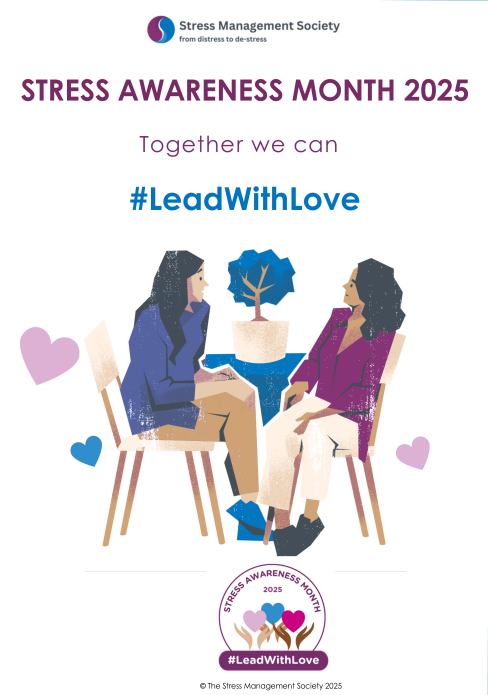
Stress Awareness Month is a campaign run by the Stress Management Society. The theme for 2025 is #LeadWithLove.